skip to Main Content

Some of the most coveted property in many towns across the country is the downtown district. However, the downtown homes typically need updated and the bathroom is most often the place homeowners begin. Finding bathroom remodeling contractors in your home’s area can be a challenge. However, with a few easy steps you can find a great remodeler who has experience in remodeling bathrooms. Remodeling your bathroom can add incredible value to your home.
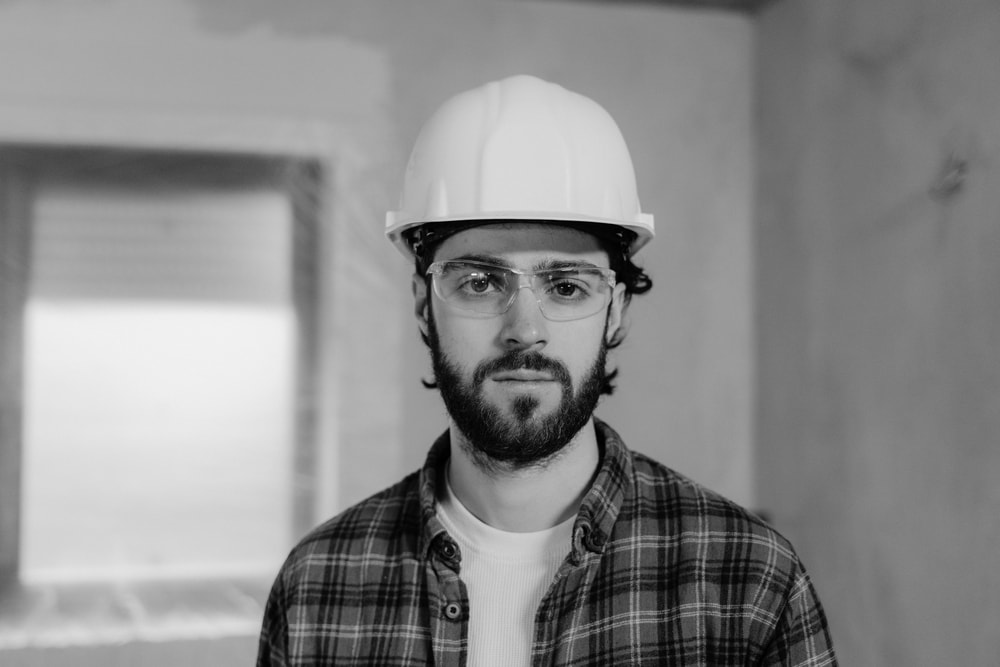
What to look for:

Look for a remodeler who has experience in both plumbing and electricity. A bathroom remodel can add thousands to a home’s value, when done correctly. However, it is a tricky area to remodel and if your contractor is not experienced you may be looking at loads of unexpected costs due to their lack of experience. Remember these tips when choosing a contractor for your bathroom remodel in Bend.

1. Experience is required. Not only should you make sure the contractor has insurance and a license, but you should also be sure they have experience in bathroom remodeling. Any mistakes in the bathroom area can be quite costly to you. In addition, it could ultimately render you without a working bathroom and be dangerous for your family. To ensure your contractor is qualified, check the contractor’s license with the State Construction Contractor Board (CCB) and ask to see any photos from other remodels they’ve done. In addition, it is perfectly fine to ask for references from the contractor before accepting their bid.

2. Remodel choices can matter. A well qualified remodel and granite contractor in Bend will help you make bathroom remodel choices that will work with your home’s existing design. For instance, if your home is in the downtown district with historical design inside and out, it may be in your best interest to update the bathroom with that in mind. You may want to still include the modern whirlpool bath tub but choose a vanity to match your traditional home structure. If you choose to create a totally modern bathroom in a traditionally decorated and structured home, you may be distracting from the overall style of the home. While this may be a great choice for you, it may end up not adding as much additional value to your home as you’d initially thought it may. You can always talk with a local Bend real estate agent to see what he or she recommends.
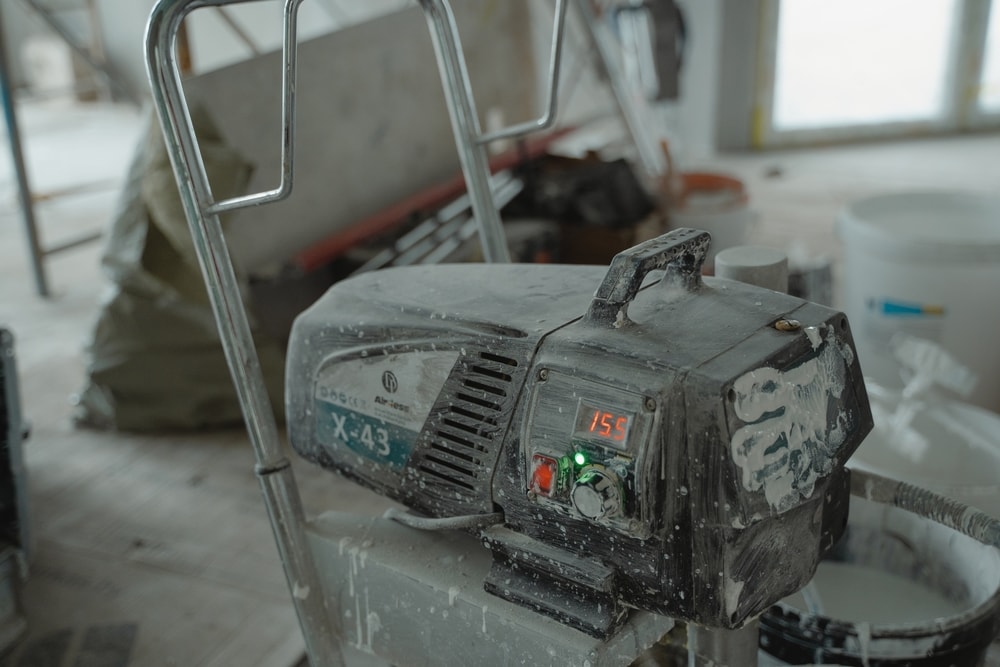
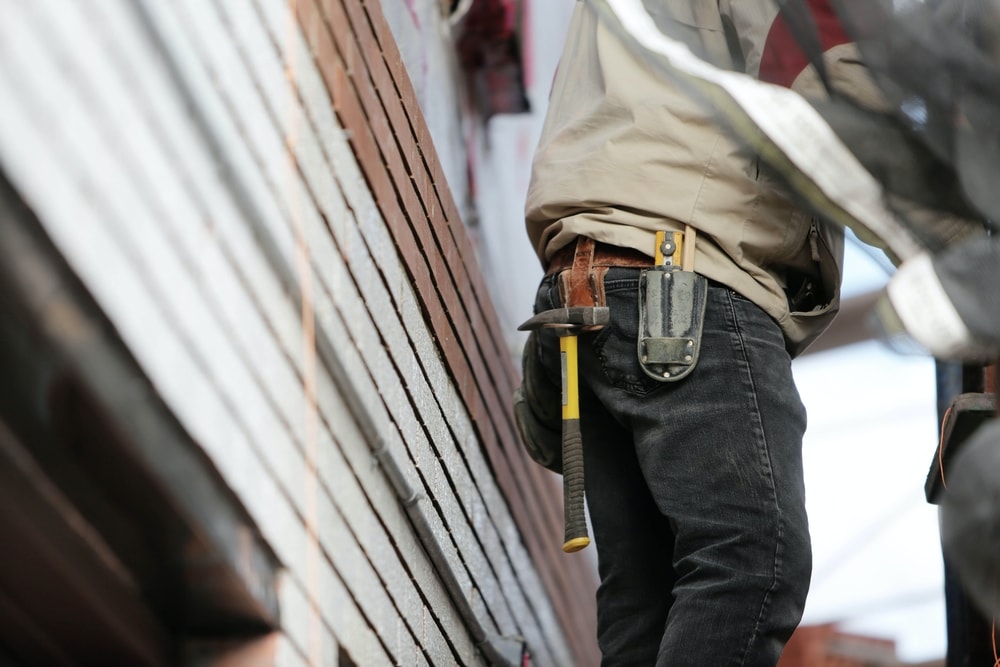
Don’t let your next home remodeling project land you a trip to the emergency room. Before taking on any project around the house, be sure to properly outfit yourself with all necessary safety gear. Like most people, you are probably eager to get out the tools and dive right in. Step back, think about the task ahead, and grab your safety gear first. Your local home center should be well stocked with all the necessities. A few dollars investment is all that is required when choosing the best contractor who is an expert in Tile Installation.

Demolition
Now were talking. You have your hammer and crow bar ready to go. Before you jump right in, be sure you have taken proper precautions. Safety glasses are a must. If it’s going to be dusty, I like to wear a pair of safety goggles. Goggles do a better job of keeping dust out of your eyes than standard open sided glasses. If a demolition saw, vacuum or any other noise emitting tools will be put into use, don’t forget the ear plugs. We live in a noisy world, and being confined in a small area with the constant whine of a vacuum motor is not an ideal condition. Ripping down plaster and removing debris is tough on you hands. I always reach for a pair of heavy leather gloves. If you have sharp objects or nails, the leather gloves do a great job at preventing puncture wounds. Another safety related tip that I practice is to always bend over any exposed nails when removing lumber debris. It’s easy to drop a piece on the ground, only to puncture the sole of your foot with an exposed nail. Be sure to wear proper foot gear as well. This isn’t the place for your Sunday morning running shoes. A good pair of leather work boots, with slip resistant soles, should be standard gear here. A good hard hat or bump cap as they are called can save you from a goose egg on your head, followed by a splitting headache. It’s easier to get a concussion than most people think. A falling board or piece of plaster is all that it takes.

Paint removal
If you will be scraping or sanding off any old paint, it’s recommended that you first do a test to see if it’s lead based. Your local home center has lead paint test kits available, and they only run a few dollars. If you find that you do have lead based paint, it’s critical that you use a proper face mask, and wear long sleeve protective clothing. Pay close attention to the face mask, and the seal that it makes to your face. Be sure it fits securely, and does not allow unfiltered air to be inhaled. Another area of concern with lead based paint removal is the spreading of dust. If you are sanding, use a power sander that can be attached to a vacuum. Most shop vacuums are capable of being outfitted with ultra filtration bags instead of the standard cartridge filter. These bags typically filter down to one micron, and do a great job of containing dust. Be careful on outside projects as well. You’ll need to hang plastic sheeting, or a tarp, to prevent dust travel to your neighbors house as well.

Painting
Simple improvement projects like painting don’t really seem to present any danger.Even water based paints contain chemicals that must off-gas during the curing process. Be sure to ventilate the area well. Open at least two windows in the immediate area, and place a box fan in one window to create airflow. It’s also recommended that you wear a proper face mask; one designed to filter paint fumes. These masks typically have a charcoal liner, and do a terrific job at preventing the inhalation of harmful vapors. I always wear safety glasses as well. I have had drips land right in my eye while painting overhead.

As you can see, a few simple precautions can prevent the unplanned injury. Outfit yourself properly, and get on with that remodel project.

Normally the articles that I bring you give you all sorts of advice on how to fix up your home yourself. However, this article is going to be very very different. It carries with it a grim warning to each and every homeowner who built or remodeled a home sometime between 2004 and 2007. So what was it that happened between 2004 and 2007 that could cause your remodel or new build to have such a grim outlook?

During this timeframe there were scores of natural disasters that demolished thousands upon thousands of homes. One of the worst was Hurricane Katrina. As a response to these disasters thousands upon thousands of good Samaritans banned together to rebuild the destroyed homes. What they didn’t know was that the United States producers of drywall just couldn’t keep up with the heavy demand so Chinese drywall was brought in in huge quantities. What is wrong with that? Well, according to, Cain Burdeau, Associated Press Writer for Eyewitness News 3, Chinese drywall has 100 times more hydrogen sulfide then drywall made anywhere else.

And what is wrong with hydrogen sulfide? Actually there is a lot wrong with it. Over time it can it cause irritations in the nose, throat and eyes. It can also corrode such vital items as your computer components, your electrical wiring and your air conditioning units. This renders homes with high levels of hydrogen sulfide un-inhabitable. Yet another hard blow to the many families who lost everything during the Katrina disaster.

Flipping through page after page of news to create this article for you I was hit by the many pictures of homes bearing signs and banners on them, both professionally and hand made. The signs all read the same, “Toxic house. Chinese Drywall.”. The more I looked the more chills ran down my spine. It was literally like looking at the Katrina disaster all over again. You know what I’m talking about? The hand painted signs on the sides of destroyed homes. Messages telling people if a home was condemned or not and how many people had died there. However, before you start putting up toxic signs on your home’s exterior, let’s see what you can do to find out if you have Chinese drywall in the first place.

First, you need to think back. Did you do any major remodeling or building between 2004 and 2007? If so then you will need to do some further snooping around. Is there a foul rotted egg smell within your home? Have you and your family been experiencing unusual and frequent occurrences of fatigue, headaches and itchy eyes? Has jewelry in your home suddenly become tarnished for no apparent reason? Is your computer malfunctioning even though it may be a newer model? If you answered yes to these questions then you will need to call in a testing facility to test your air quality. Check your local phonebook for air quality control laboratories or call your local Realtor to find one in your area.

If your test results come back positive then you will need to remove a test piece of the drywall to ensure once and for all that you truly do have Chinese Drywall and to verify which manufacturer made it. Once you have all your ducks in a row you will need to find yourself a good lawyer to assist you in becoming one of the many complainants against the various manufacturers of Chinese Drywall.

So, now that you have the facts, what does Doc think of all this mess with the drywall? Quite honestly I don’t believe that the Chinese intentionally did this to our country as some sort of ploy to harm Americans. The components that make up drywall are a naturally occurring substance found deep in the bowels of the earth. It is quite possible that their mines simply have more hydrogen sulfide then American mines do and, due to lax governmental control over toxins, they may not even be aware of it until now. It is very much like the water collection systems in Bermuda. Rainwater collects on Bermudian roofs, along with all sorts of bird dung and bugs and filters down into cisterns in the basements. Tourists who drink the water often become ill whereas locals drink the water all the time without consequence. Why? The locals are used to the toxins found in the water. Their bodies have built up a natural immunity to it. So how does this relate to sheetrock? Maybe the people of China have built up an immunity to the hydrogen sulfide and therefore they find it to be no problem for them.

Back To Top